MODALSHIFT summer turned out to have been quite busy.
July was a particularly active month for MODALSHIFT.
First review meeting in Brussels for MODALSHIFT
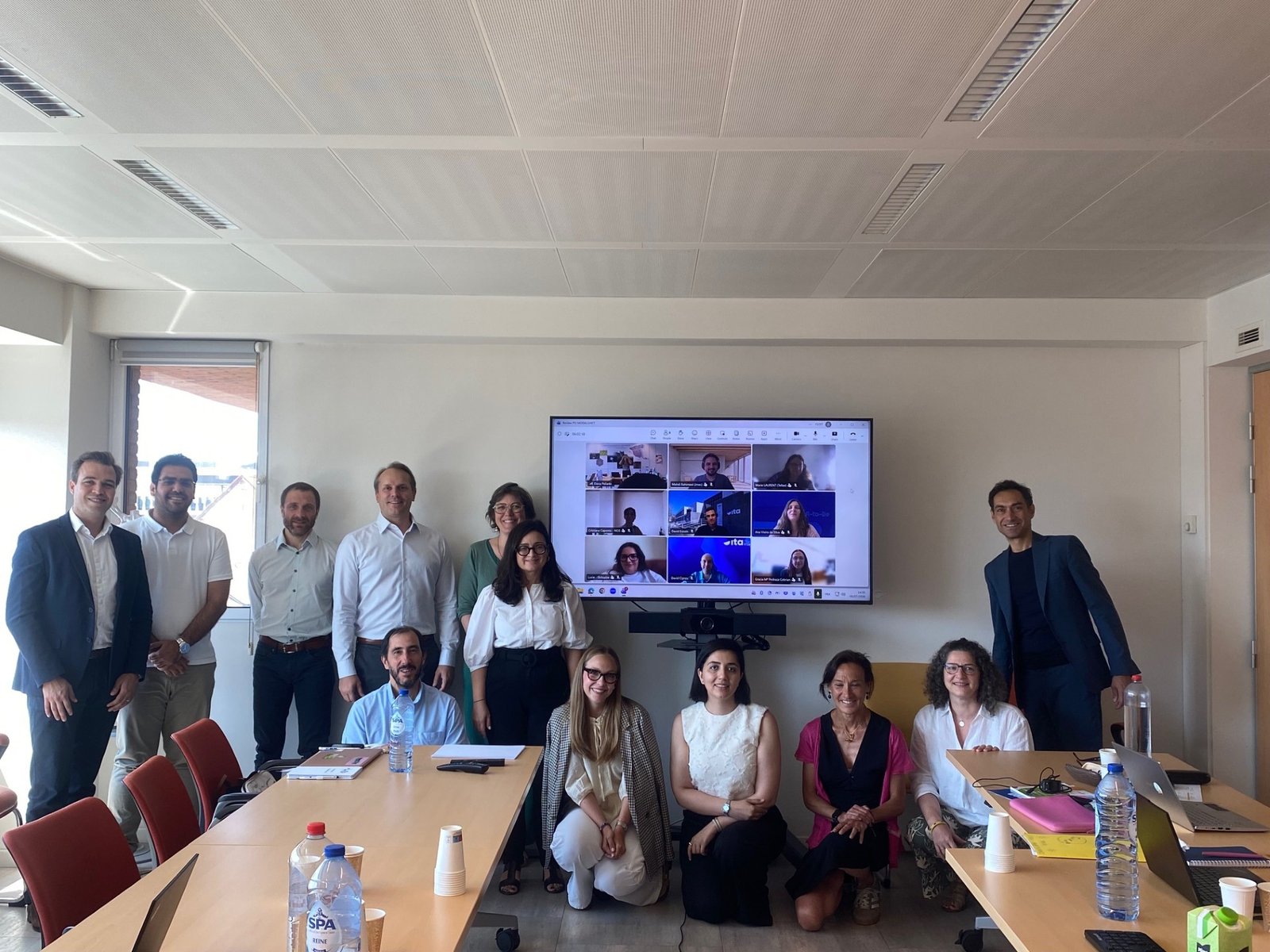
The project marked an important milestone with its first Review Meeting in Brussels. On 9th of July 2026, the MODALSHIFT consortium gathered in Brussels for its first Review Meeting, covering the project’s first year of implementation.
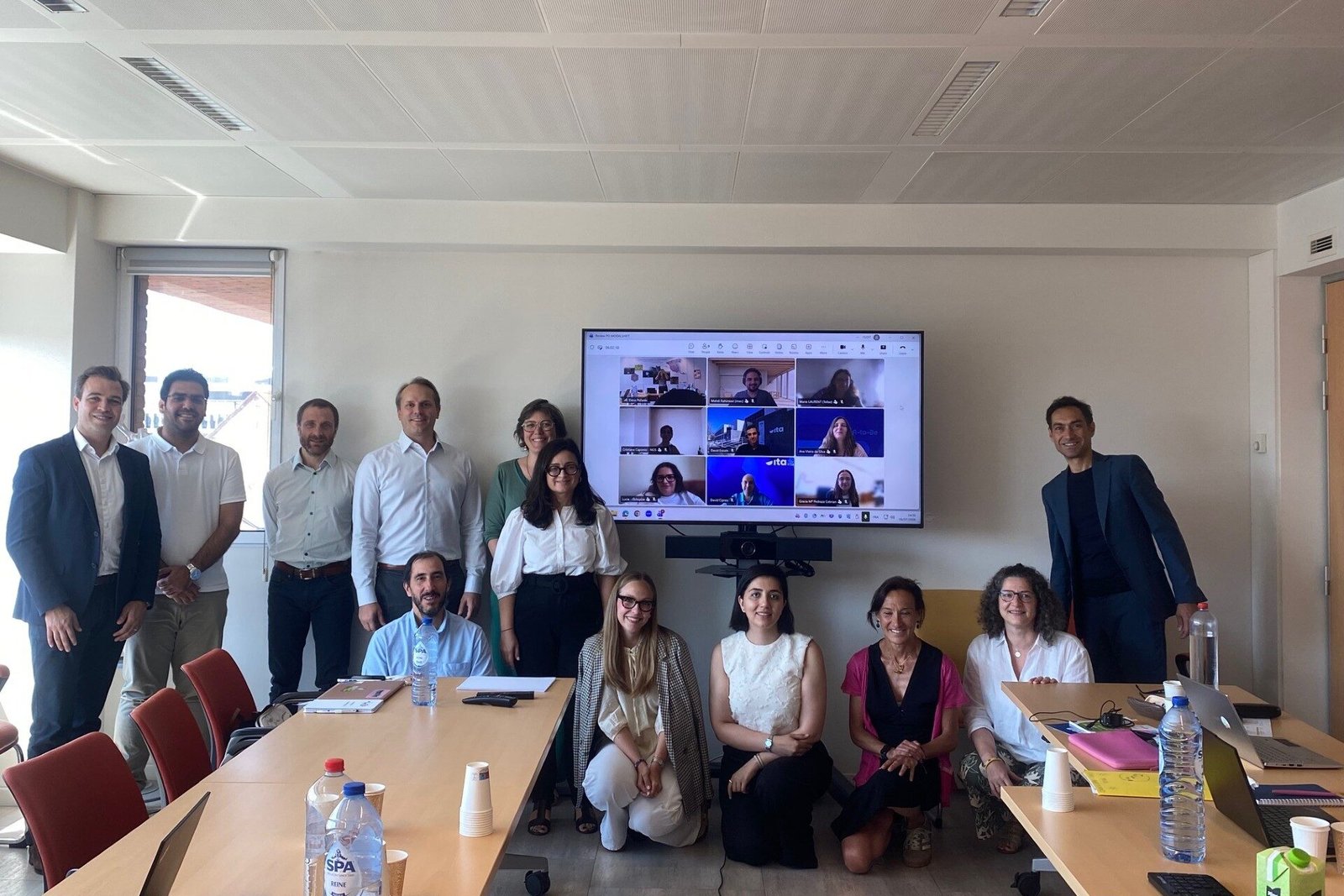
The meeting brought together the work package leaders and the CINEA Project Officers. Partners presented the progress achieved across all work packages and discussed the main results, challenges and next steps.
The first year laid important foundations for the next stages of MODALSHIFT. Activities have progressed across the project’s three Case Studies in Madrid, Varna and Trieste. Work has also advanced on data collection and sharing, digital twins, traffic forecasting, optimisation, stakeholder engagement, business models, communication and project management.
The Review Meeting allowed partners to take stock of this progress and discuss how the different technical components will increasingly come together as the project moves into its second year.
International scientific dissemination at IFORS 2026 in Vienna
July also provided an opportunity to disseminate MODALSHIFT research internationally through its participation in the IFORS 2026 conference.
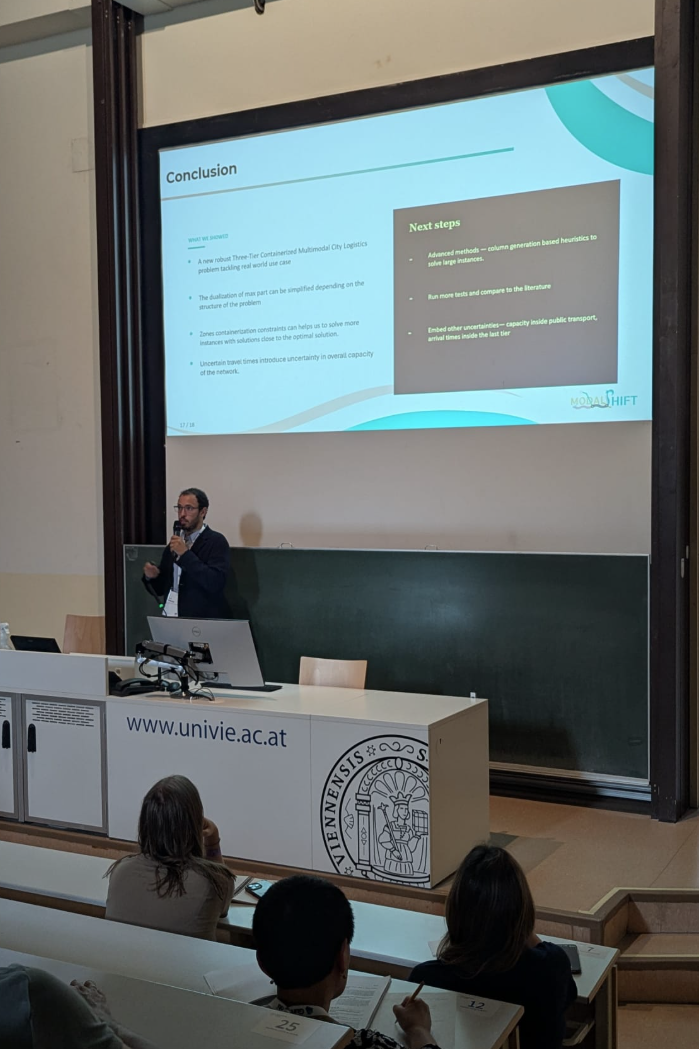
Researchers from KEDGE Business School participated in IFORS 2026 in Vienna, where they presented work entitled “Robust Collaborative Three Tiers Containerized Multi-modal City Logistics Problem”, authored by Najib Errami, S. Ehsan Hashemi Petroodi, Jakob Puchinger and Walid Klibi.
The research addresses a three-tier multimodal city logistics system. Freight moves through several urban hubs using different transport modes, while a central orchestrator coordinates operations. The approach extends traditional two-tier city logistics models by introducing an additional distribution layer. It also incorporates multimodal urban transport operations and uncertainty. The problem combines the design of the transport service network with last-mile routing decisions.
This work is closely connected to MODALSHIFT’s research on multimodal freight optimisation and decision-making under uncertain conditions. The project aims to develop optimisation approaches that can account for changing traffic conditions, transport demand and operational constraints.
Participation in IFORS 2026 offered Najib Errami from KEDGE an opportunity to share this research with the international operations research community and contribute to discussions on new approaches to multimodal and collaborative urban logistics.
Stay tuned for MODALSHIFT’s second year! The months ahead will start with several presentations at international conferences and the achievement of important technical milestones. As the project moves forward, partners will continue developing and integrating its data, modelling and optimisation solutions, while strengthening exchanges with research, mobility and logistics communities across Europe and beyond.
![[HERALDO] New ways of travelling: from shared mobility to inter modal systems](https://modalshift.eu/wp-content/uploads/2025/11/Modalshift-1080x675.jpg)